
A Hotelier’s Guide to Buying Turkish Towels

Pure Turkish bath towels are made of high-quality cotton, handcrafted to achieve peak absorbency and durability. Its premium feel is embedded in its long fibers, which create a soft, even texture that provides great comfort and relaxation. Not only do they serve as luxurious bath essentials, but also as beach and pool necessities. These towels are also stylish and customizable, which can elevate your hotel branding.

Buying hotel bath towels can be tricky, but if you prioritize high-absorbent, long-lasting, and refined fabrics, Turkish cotton towels are made for you. This brief guide walks you through the fundamentals of this coveted material.

A Quick Guide to Purchasing Turkish Cotton Towels for Your Hotel

What Makes Turkish Towels Special?

Turkey’s climate is ideal for cotton cultivation, the leading livelihood in three regions. This makes the country the sixth-largest global producer of cotton. Different grades of cotton are used in creating various kinds of fabrics around the world.

Traditional Turkish towels were popular in ancient public baths, as they were wide enough to cover the entire body. Today, the same top-notch fibers are used to make a diverse range of bath, face, hand towels, and even robes. 

Types of Turkish Towels

  1. Bath Towels

Turkish bath towels are plush and soft to the touch. The 100% cotton material makes it thick and highly moisture-absorbent, leaving your guests feeling refreshed after every bath. They also come in different sizes, such as hand towels, face towels, regular hotel bath towels, and large sheets. Its durability makes it easy to maintain and store, a characteristic paramount to every hotel bathroom supply.

  1. Beach Towels

The versatility of Turkish beach towels is understated. These colorful, wide, flat-woven sheets can be laid down on the sand or used to towel off after a swim. Its lightweight appearance and stylish fringe might fool a user, but due to the high absorbing capacity of pure cotton, these towels are more reliable than other types of fiber.

Turkish pool towels also come in the thick, comfy variant, which is great for relaxing on lounge chairs and cabanas. It also combats the chilly breeze by providing warmth to the wearer.

  1. Bathrobes

Bathrobes woven from pure Turkish cotton fibers combine practicality with style. It wicks away excess moisture from the skin while keeping the wearer cozy. The thick, resilient material of Turkish bathrobes allow your guests to move freely and comfortably around the room without worry. This garment is an essential staple for hotels that have pool or spa facilities, where a snug robe is an extension of leisure.

  1. Terry Towels

Turkish terry towels blend smooth and soft surfaces with improved absorbency. The long fibers distinct to Turkish towels are woven with terry loops, effectively increasing its moisture-absorbing capacity. It provides a luxurious experience for bath, beach, and other applications. 

What to Look for in Turkish Cotton Towels

  • 100% Turkish Cotton Label – Check the tags if a towel is 100 percent made in Turkey or from Turkish cotton fiber. Although manufacturers can replicate it, a fake Turkish towel won’t have the same capacity as an authentic one.
  • Absorbency – These towels are highly preferred for their consistent absorbency, a quality that every hotel guest will appreciate. It minimizes the time spent drying the body after dipping in the pool or taking a bath.
  • Durability – Turkish bathroom towels require frequent washing, but its long, sturdy cotton fibers remain soft and plush no matter how many cycles they go through. Its longevity minimizes the need for repeated replacement.
  • Size – Multipurpose towels for the hands, face, bath, and beach should fit every hotel guest. Source sizes that are suitable for children and adults to ensure comfort and snugness.
  • Craftsmanship – Every detail that goes into producing sophisticated Turkish bathroom towels is intentional. Look for artistry and expertise in various designs, such as decorative borders and elegant stitches.

Unlike ordinary towels, Turkish bath towels radiate grace and refinement, not just in appearance but also texture and function. This integral addition to your hotel supplies is sure to bring an air of luxury no matter where your guests use it.

ALSO READ: Reasons to Add Eco-Friendly Textiles to Your Hotel Inventory 

Find the best Turkish terry towels with the help of Hotel and Spa Essentials, a leading provider of luxury hotel supplies in the Philippines. Our newest partner, Vision Linens offers 100% Turkish cotton towels of all sizes and styles. Make the most out of your hotel bath supplies today – browse our available products and leave us a message here.

8 Different Hotel Bathrobe Styles and Materials

Hotel bathrobes come in various styles, fashioned from the most comfortable blend of materials. It is important for hotels to provide bathrobes that are soft and gentle to touch, delivering a luxurious sensation on the skin. Luxurious robes also promote good hygiene practices, offering a fresh and warm post-bath experience for guests. To source the right robes, it is crucial to be aware of the diverse materials and styles available from a hotel supplier. 

Pamper your guests with a sizable selection of luxury hotel bathrobes. This guide briefly explains the combination of materials and styles you can choose from.

8 Styles and Materials of Hotel Bathrobes You Must Check Out

Bathrobes According to Style

There are three common styles of bathrobes, each serving distinct purposes. Some of them also have cultural significance to their countries of origin.

1. Kimono

The kimono robe style originated from the Japanese garment of the same name. It features a ‘T’ shape, structured shoulders, wide, flowing sleeves, and delicate wraparound silhouette. These bathrobes are usually made of light and breathable materials like cotton or silk.

Traditional kimonos are known to have elaborate, handcrafted designs as they are worn during formal events such as weddings, tea ceremonies, or graduations. Kimono bathrobes, on the other hand, have a simpler silhouette while preserving similar details like the collar and sleeve cuts.

2. Hooded

Hooded collars serve both comfort and practicality. The hood easily absorbs moisture from the hair, eliminating the need for a hair towel. It also provides extra warmth to the wearer, especially during chilly weather. This cozy and unique feature is what makes a hooded hotel towel bathrobes a favored loungewear. 

3. Shawl

This type of bathrobe has a thick and fluffy shawl-like collar, which generates a comfortable level of warmth. It covers the neck and chest areas, bearing a luxurious look. Some shawl robes derive inspiration from the fashion culture of the Middle East and South Asia, which use elegant wraparound fabrics as a status symbol or ceremonial attire.

Bathrobes According to Materials

The materials used by a hotel bathrobes supplier vary from natural fibers to synthetic, used for the outer and inner linings of the garment to complete a high-quality finish.


4. Cotton

Cotton is a very common material used to craft hotel towel robes. It is extremely breathable, soft, and highly absorbent, which is essential for quick post-bath drying. Its delicate texture gently brushes the wearer’s skin and creates a romantic silhouette when wrapped around the body. Compared to other popular materials like silk and polyester blends, cotton is more durable, making it a long-lasting choice for hotel supplies. 

5. Terry Cloth

To increase the absorbency of cotton, fibers are woven into what is called terry cloth. This material can be woven from either pure cotton or a cotton-polyester blend, creating fibers that give an added warmth and satisfying texture to the wearer. It also makes terry cloth bathrobes a good layer during cold weather.

6. Waffle Weave 

The waffle weave texture was developed as an ultra-lightweight, breathable, and durable option for cotton and cotton blends. Its intricate square pattern creates an elevated, yet subtle appeal. Because it is more breathable than flat cotton or terry cloth, it does not just function as a hotel waffle robe, but also as loungewear in warm seasons, at the spa, or even a quick dry-off at the pool. 

7. Velour

True indulgence is recreated in velour luxury hotel bathrobes. Velour is a knitted fabric recognized for its shockingly tender surface, which resembles velvet. Unlike terry cloth, it has excellent stretch resistance and heat resistance. Its loops are also sheared to achieve a plush, smooth texture, perfect for relaxing around the suite after a refreshing bath.

8. Microfiber Polyester 

Synthetic fibers like microfiber blends are created as an economic alternative to natural fibers. It emulates the texture of natural fibers while combining two essential properties: the breathability of microfiber and the durability of polyester. By blending these two, this fabric can achieve the velvety feel sought after in a hotel towel robe at a more budget-friendly cost.

Bathrobes crafted from top-tier fabrics offer lasting relaxation and warmth. Robes gently help the wearer slow down and unwind after a hectic day. By choosing the right ones, guests will feel especially refreshed after every bath, spa, and pool experience.

ALSO READ: From Sourcing to Maintenance: Your Guide to High-Quality Hotel Bed Sheets and Linen


Hotel and Spa Essentials is your trusted hotel bathrobes supplier. We are pleased to provide the highest quality hotel bath linens, beddings, and restaurant linens through our partner, Vision Linens. Browse through our newest catalogue of linens and contact us today.

8 Must-Have Eco-Friendly Hotel Supplies that are Good for the Planet and Your Guests

Providing eco-friendly hotel supplies is an excellent way for hotel operators to demonstrate care for the environment. It supports a sustainable guest experience, helps maintain a low carbon footprint, and attracts eco-conscious travelers. Embracing these practices promotes ecotourism and green consumption, which are some of the top practices in the hospitality industry today.

Swapping regular items for sustainable hotel amenities offers numerous benefits for both the environment and your business. Explore these examples to find more eco-friendly ways to delight your guests and protect the planet.

8 Sustainable Hotel Amenities Your Guests and Mother Earth Will Love

  1. Cotton hotel slippers

Disposable hotel slippers should be both eco-friendly and luxurious. Opt for slippers made from organic cotton or cotton blends to ensure they are soft and durable. Cotton linings or cushioning add extra comfort. Their highly absorbent and breathable materials make them ideal for slipping on after a relaxing shower.

  1. Sustainable bedding

Bedding is one of the most important hotel linens, in fact, more than 75% of hotels make efforts to encourage guests to reuse their linens and towels for more than one day, however, only about 33% choose to participate in this initiative. Sustainable bedding is one of the ways hotels can combat the negative effects of frequent washing and retain high-quality hotel bedding for a longer period of time. 

  • Bedsheets

A good night’s sleep is invaluable for your guests. Treat them to quality rest by investing in soft, plush organic cotton beddings. High-quality hotel bed sheets should be skin-friendly, enhancing cotton’s natural moisture-wicking and anti-bacterial properties to keep your guests comfortable, sanitary, and protected from germs.

  • Pillows

Choose down and feather pillows that are ethically sourced and built to last. Compared to synthetic fillings, down and feathers offer natural softness, lightness, and durability, creating a cloud-like plushness with superior temperature regulation. Select accredited eco-friendly hotel amenities suppliers recognized by global standards, such as the European Down and Feather Association (EDFA) or the Responsible Down Standard (RDS).

  • Duvet and Duvet Covers

As the main protective layer of any bed, the duvet should be made from eco-friendly materials like organic textiles and fibers. This helps reduce environmental impact, such as preventing microplastics from entering waterways with each wash. Sustainable duvet covers not only provide warmth and comfort but also enhance the style of every guestroom.

  1. Reusable laundry bags

Encourage greener habits for your guests by investing in customized, reusable laundry bags. Eco-friendly hotel amenities suppliers offer an array of branding options for items, laundry bags, slippers, bathrobes, and towels used in-house. Choose biodegradable materials like cotton, jute, hemp, or recycled fabrics to ensure long-term durability.

  1. Energy-efficient appliances

Assess which in-room amenities are frequently used, such as hair dryers, clothes irons, or mini-bars, and replace older appliances for highly efficient models that consume less electricity. This not only lowers operational costs but also creates a safer environment by using appliances that comply with strict safety standards.

  1. Bamboo dental kit

Bamboo is one of the most advantageous renewable materials for eco-friendly hotel supplies and has rapidly become a preferred alternative to plastic products like dental kits, combs, and cotton buds. As a fast-growing plant, bamboo is both easier and more cost-effective to produce. Its natural, pleasant texture not only enhances the tactile experience but also adds a touch of organic elegance to hotel toiletries. 

  1. Biodegradable toiletries

Bioplastics, plant-based, and starch-based alternatives are now widely used to manufacture and package hotel toiletries. Essentials like cotton buds, tissue paper, soap, and liquid amenities are necessary for guests but also contribute to hospitality waste. Switching to biodegradable materials helps reduce the negative effects of plastic waste and provides a more holistic, natural approach to guest hygiene by limiting exposure to artificial and potentially harmful chemicals.

  1. Refillable dispensers

Replace single-use containers for body and hair products with eco-safe liquid dispensers. Choose dispensers crafted from recycled plastics or plant-based materials like sugar cane. It is also smart to pair a dispenser unit with anti-refill systems. These functional and stylish alternatives prevent product waste and tampering, while eliminating the risk of contamination. They are easy to use and replace, and also serve as a way to enhance your hotel’s branding.

  1. Organic blend restaurant linens

Extend your sustainable practices to the dining area by providing eco-friendly hotel supplies like organic fiber kitchen towels and tablecloths. As illustrated earlier, natural fibers are known to be biodegradable, breathable, and highly absorbent, which makes it the perfect kitchen and dining companion. 100% organic cotton glass cloths, for example, can absorb large amounts of moisture, leaving cutlery and utensils sparkling clean.

Why You Should Make the Switch to Eco-Friendly Hotel Supplies

Proactive green initiatives

Going green is not just a trend, but a movement to prevent the deterioration of the environment before it’s too late. By using sustainable hotel amenities, hotel owners actively support this cause while improving operational efficiency and strengthening relationships with clients and partners.

Energy, water, and waste management

Biodegradable materials break down easily without releasing harmful substances, reducing landfill waste. Smart appliances consume less power and enable the use of renewable energy sources. Choosing energy-efficient linens also helps conserve water. For example, EcoKnit towels wash easily and require minimal water and detergent.

Attract environmentally-conscious guests

To appeal to eco-conscious travelers, align your practices with their values by embracing sustainability. This builds brand loyalty, enhances your hotel’s reputation, ensures compliance with environmental regulations, and demonstrates commitment to responsible business.

Pursuing a greener future in the hospitality industry involves investing in eco-friendly hotel supplies. Whether large or small, these efforts help elevate your hotel’s service standards while strengthening your relationship with guests and protecting the environment.

ALSO READ: The Benefits of Sustainable Tourism and Why Hotels Should Support It

Start your eco-friendly journey today with Hotel and Spa Essentials, your leading partner for hospitality supplies in the Philippines. Browse through our diverse category of sustainable hotel bath towels, bedding, in-room amenities, bath essentials, and more. Send us a message to get a quote.

5 Sustainable Textile Innovations that Will Help Your Hotel Go Green

The hospitality industry is increasingly embracing sustainability to attract eco-conscious guests and partners. Textile innovations play a vital role in developing greener hotels, with hotel fabrics standing out as essential components within this shift. These sustainable textiles not only reduce commercial and environmental waste, but also mitigate their harmful impacts. Moreover, they support the ethical production of fabrics, aligning environmental responsibility with industry standards.

By integrating advanced textile innovations, hotels can enhance the durability and functionality of hotel linens. At the same time, they can elevate the overall aesthetic and comfort of their interiors. Here are 5 sustainable textile innovations that will help uplift the hotel guest experience.

5 Sustainable Textile Innovations to Enhance the Guest Experience

  1. Recycled Fibers

Textile innovations today promote the regeneration of plastic waste in the form of textile fibers. This can come in the form of recycled polyester (rPET), nylon, cotton, and wool. These types of fiber are made to avoid intensive production of raw materials, which tend to use potentially harmful methods like the use of pesticide, excessive water use, and extraction of non-renewable resources. Recycled textiles amount to fewer carbon emissions and microplastic pollution. 

  • Recycled Nylon – Synthetic fibers created from pre-consumer plastic waste, usually more expensive to achieve.
  • Recycled Polyester – Created from consumer plastic waste and often blended with organic fibers. 
  • Recycled Cotton – Blends virgin cotton fibers with recycled cotton to improve durability and longevity. Even a small amount of recycled cotton can produce strong, quality fibers, making it more sustainable compared to recycled plastics.
  • Recycled Wool – Developed from consumer wool waste. Less common than recycled cotton, but makes it easier to create new fabrics from existing ones.
  1. Piña Fiber / Piñatex

The pineapple plant has been central to organic textile innovation in the Philippines. Since the 16th century, Filipino weavers, especially in the province of Aklan, have hand-crafted textiles from pineapple leaves. Piña fiber was commonly used by the less privileged until it spread to the elite class. Today, advancements in research and development by agriculturists and scientists have expanded piña fiber applications to include linens and even leather alternatives. This natural fiber has become a sustainable substitute for plastics, PVC, and other non-renewable textile materials.

The hospitality industry can leverage the fabric innovations piña fiber can bring about through its use in upholstery, interior design, and decor. Its luxurious texture, which blends seamlessly with organic fibers like cotton and silk, offers a unique opportunity to elevate the elegance and sustainability of hotel linens and fabrics.

  1. Organic Fibers and Blends

Organic fibers like organic cotton, linen, bamboo, hemp, silk, wool, and Lyocell are cultivated without pesticides, which helps maintain their high quality while producing significantly less environmental impact. 

  • Cotton – Known for its versatility, softness, and high absorption properties, it is the most popular choice for hotel fabrics. Various applications can be applied to cotton to achieve a diverse range of colors, textures, and weights for beddings and towels.
  • Linen – One of the oldest known fibers celebrated for its sturdiness, breathability, and absorbency. It is enhanced by recent textile innovations to produce hotel linens like beddings, tablecloths, and more.
  • Bamboo – Derived from the bamboo plant, known to be naturally antibacterial, highly absorbent, and UV resistant. 
  • Hemp – Obtained through the fast-growing Cannabis sativa plant, which requires less water and pesticide use in comparison to other textile sources.
  • Silk – Cultivated sustainably through silkworms, a popular choice for luxurious fabrics and materials due to its natural luster. 
  • Wool – Primarily composed of keratin, sourced from sheep and other mammals. Sought for its exceptional heat retention and durability.
  1. Temperature-Regulating Fabrics

Hoteliers operating in warm climates should look into smart fabric innovations, like temperature-regulating textile, to enhance guest comfort. These fabrics are developed to respond dynamically to environmental changes like heat or cold by incorporating several cooling technologies like temperature balance and temperature abatement.

In the hospitality industry, smart cooling or heating hotel linens provide practical solutions for bedding. Cooling pillowcases, for instance, can significantly alleviate guest discomfort during hot summer months. Temperature-regulating blankets, duvets, and duvet covers offer unrivaled relaxation for the whole body, enhancing the overall sleep experience regardless of the season.

  1. Antimicrobial and Antibacterial Linens

Hotel linens that are treated with antimicrobial and antibacterial technology are effective in eliminating harmful microorganisms, such as bacteria, viruses, mold, and fungi. Because it actively fights germs, it can also eliminate unwanted odors, which keeps the freshness and pleasant fragrance of hotel towels, beddings, and other fabrics. This also helps prevent cross-contamination and the spread of viruses among hotel guests, maintaining a safe and sanitary environment.

Sustainable textile innovations offer effective solutions to common comfort and hygiene challenges in the hospitality industry while advancing eco-friendly design and functionality. By adopting greener fabric innovations, hotel owners can meet the demands of an increasingly eco-conscious market and strengthen their sustainability efforts.

ALSO READ: Reasons to Add Eco-Friendly Textiles to Your Hotel Inventory


Hotel and Spa Essentials is the leading supplier of sustainable hotel amenities in the Philippines. Explore our extensive collection of premium bathroom linens, luxurious hotel beddings, and stylish restaurant linens designed to elevate every corner of your accommodation. 
Partner with us to source eco-friendly hospitality products from world-renowned brands like Vision Linens, ecopure, Algotherm, Atelier Cologne, Damana, and many more. Connect with us today and take the first step toward a greener hospitality experience.

7 Must-Know Facts About Hotel Feather Pillows

A breathable and plush hotel pillow makes a huge difference when building an excellent sleep environment. Hotels typically use the most comfortable types of pillows, particularly down and feather pillows to complete their bedding sets. These pillows are typically sourced from either duck or goose, both of which share a slight difference but provide the same level of comfort. They are crafted to help achieve a good night’s sleep without using excessive synthetic materials.

When choosing hotel pillows, consider how down and feather fillings work, how they are sourced, and the techniques used to maintain their comfort. This article discusses some facts you should know before getting down feather hotel pillows.

What is a feather pillow?

As the name suggests, feathers are used to fill the inside of a pillow, creating a squishy but sturdy cushion for your head when sleeping. This type of pillow is usually made from duck or goose feathers, which are sourced from the back and wings. 

What is a down pillow?

Down pillows use the plushy, fine feathers located under the outer feathers of ducks and geese. Unlike outer feathers, these don’t have quills, providing superior comfort and making it a popular choice for luxury hotel pillows.

7 Facts About Down and Feather Pillows Every Hotelier Should Know

1. Down to feather ratios vary.

Although hotel pillows can come in down or feather, suppliers typically offer pillows with a combined filling of both down and feather for maximum comfort. Feathers fill out and add weight to the pillow, while down has temperature-regulating abilities. Combining both balances the breathability and insulation of the two. These can vary from 80% feathers and 20% down, 85% feathers and 15% down, and more. 

2. Fill power and weight can help you choose a pillow.

While browsing down feather pillows, you will come across the terms ‘fill weight’ and ‘fill power’. Fill weight is the total weight of down in a pillow, measured in grams. It is also used to measure the size of pillows, from small, medium, or large. 

Fill power, on the other hand, refers to how lofty or puffy a down makes a pillow. It is measured in cubic inches (cuin). The down cluster grows larger the higher the fill power. It is also determined by the size and quality of the duck or goose down used. Higher fill power also means higher quality, making it more expensive.

Fill powers around 550-650 cuin are great for value and comfort. Excellent hotel down pillows are approximately 700-800 cuin, while exclusive, luxurious pillows go up to 850 cuin.

3. Duck and goose are the main sources of natural pillow fillings.

Feather and down are taken from ducks and geese. Although both waterfowl are available worldwide, you are more likely to find and afford a duck down pillow than a goose down pillow. Ducks are commonly raised for farming and product processing, making them more accessible. Geese, on the other hand, are less frequently farmed; their scarcity makes them more prized. The lack of supply raises the cost of goose down pillows.

Most hotel bedding suppliers do provide both duck and goose down feather pillows, or a blend of both. It is best to coordinate with your chosen supplier regarding availability, especially if you want your hotel beddings to be uniform.

4. Feather pillows tend to be firmer.

Hotel feather pillows may not be as fluffy as down pillows. The feather filling, no matter how small each feather is, will still contain quills. Its presence might not be favorable to everyone, but hotels that use feathers utilize durable, thick pillow covers to prevent discomfort.

On a positive note, the durability of feathers prevents them from flattening out faster than down. Higher-quality pillows and combinations of down and feather are more comfortable and produce little to no sound.

5. Goose down pillows are more luxurious.

The price point of goose down pillows isn’t only determined by their scarcity, but also by their exceptional properties. It has better temperature regulation compared to duck down, meaning it can trap more air and keep the user warm. It can usually achieve a higher fill power as well. This ability gives goose hotel down pillows a much softer, loftier, and luxurious pillow structure, which high-end hotels typically prefer.

6. Feather pillows maintain coolness.

Feathers contain less insulating properties than down. Feathers, however, promote better circulation of air, allowing it to maintain a cool temperature throughout your sleep. This makes feather pillows a prime choice for hoteliers in tropical climates. Do note that frequent exposure to moisture and humidity can compromise its temperature-regulation ability, leading to faster quality deterioration. Sufficient care and maintenance is advised.

7. Down feather pillows are generally hypoallergenic.

Studies have concluded that allergies caused by down and feather allergies are rare and are typically caused by dust mites and bacteria that develop over long-term use. Down and feather pillow fillings are treated with anti-microbial and hypoallergenic solutions to reduce the chances of accumulating allergens.

It is important to note, however, that these types of pillows are not 100% hypoallergenic. Prolonged use without proper cleaning and sanitation can cause the buildup of dust mites and other allergens in pillow fillings. Since hotels change beddings between guests, it is also key to perform routine inspection and cleaning.

Caring for Hotel Down Feather Pillows

It is essential to practice the proper care and washing techniques to preserve the quality of down feather hotel pillows. These instructions are for machine wash and dry.

  1. Inspect the pillows for rips and other damage. If you see a feather or fill poking out, take some time to repair the tear before putting the pillow in the machine.
  2. Always place two pillows inside the washing machine. This keeps the spin cycle balanced and prevents clumping of the filling.
  3. Use mild detergents in modest amounts. Heavy-duty soaps can potentially deteriorate feathers and down, stripping off the natural coating of the former. To preserve its quality, avoid using copious amounts of detergent.
  4. Set the water to cool or warm to prevent heat damage to the filling.
  5. Perform two sets of rinse and spin to expel excess water and soap.
  6. Remove excess water. Place the pillow between two towels and press down. This way, the towels will absorb the expelled water. Wringing will damage the fill.
  7. Set the dryer on low to no heat. Run multiple cycles to ensure total dryness. Heat can damage the fill.
  8. Use dryer balls to remove clumps in between cycles.
  9. Inspect the pillows for any moisture clumps. Odor can also be a sign of moisture and can deteriorate the integrity of the pillow. Run additional cycles or air-dry to remove the remaining moisture.

Natural pillows are luxurious options for hotel beddings, providing unparalleled comfort and quality sleep. Their unique characteristics can match the type of comfort you want to provide your guests. Hotel down pillows are better for deep slumbers, while feather pillows are suited for more structure and support. Blended down and feather pillows have the best value for comfort by combining both qualities.

ALSO READ: From Sourcing to Maintenance: Your Guide to High-Quality Hotel Bed Sheets and Linen

Choose from a variety of down feather hotel pillows from Vision Linens and Vision V, made available in the Philippines through Hotel and Spa Essentials. We supply fluffy and sturdy pillows filled with blended duck down and feather, encased in 100% cotton for maximum relaxation. Connect with us today so we can help you.

6 Types of Linen in Restaurants That You Need for Your Hotel

There are different types of linen used in a restaurant, with each function varying from the kitchen to the tables. Elegant tablecloths, napkins, and other restaurant linens are used to boost the overall dining experience. Crisp and clean hotel restaurant linens reflect high hygienic standards, promote a luxurious brand image, and enhance the dining area. 

Your restaurant linen supply can consist of diverse designs, materials, and types of cloth used for regular dining, special events, and business meetings. Here is a brief overview of the restaurant linens you must stock up on.

Why You Need A Restaurant Linen Supply for Your Hotel

The appropriate table linen can improve dining customers’ perception of the food and the hotel restaurant. A 2019 study in the Food Quality and Preference journal found that the overall experience at a restaurant received higher scores when guests were served on a table with fabric linen instead of paper linen.

Restaurant linens are also highly functional. They are essential for sanitation and prevent cross-contamination. Environmentally-conscious hotel operators prefer to use linens over single-use napkins and tablecloths. Lastly, linens protect restaurant furniture, guests, and staff from accidental spills or breakage. 

Your hotel can ensure a holistic guest experience by choosing the right restaurant linen. Know the different types of linen that you can use in your hotel restaurant to elevate its overall atmosphere.  

6 Types of Linen Used in Restaurants That Every Hotelier Must Have

  1. Tablecloths

Tablecloths are functional and sophisticated, their smooth fabric that drapes over the table edges give a refined feel to a hotel restaurant. It establishes the mood from the moment a guest enters the dining area. It is important to consider the size and shape of your tables when picking the right tablecloth, so you can achieve the ideal drop length. Bistro-style restaurants should consider sizing their tablecloths just right for a table for two.

The design and color of your tablecloth must also complement your hotel’s aesthetic. Upscale luxury hotels may prefer table linens with intricate designs or patterns, while smaller hotels may go for simple neutrals. Some hoteliers even stock up on different tablecloth designs for special events. 

  1. Napkins

Table napkins are a vital part of the dining experience, as it remedies minor spills, promotes hygiene, and adds comfort for the guest. Moreover, napkins are some of the reusable types of linen used in a restaurant, making it an environmentally-conscious, cost-saving essential for hotel restaurants.

Napkins can also function as a decorative addition to the table setup. There are various creative ways to fold or tie up a table napkin to present an elegant visual before a meal.

  1. Glass Cloths

Glass cloths are among the different types of linen in a restaurant. Washing, storing, and preparing glassware requires utmost delicacy and precision. Glass cloths are ideal for keeping your glassware sparkly clean and clear. It is essential to dedicate certain cloths to glass to prevent cross-contamination, as well as protect intricate surfaces. Choose glass linens that are lint-free and highly absorbent, such as those made of cotton or polycotton blends. 

  1. Kitchen Cloths

Restaurant linens are also important for maintaining your hotel kitchen’s cleanliness and hygiene. Kitchen cloths are exceptionally durable and high-performing, suitable for wiping down various surfaces, such as glass, metal, mirrors, and porcelain. A long-lasting, 100% cotton kitchen cloth is one of the perfect types of linen used in a restaurant, as its absorbent material can prevent the slightest moisture across any equipment.

  1. Waiters Cloths

In a busy hotel restaurant, a waiter usually carries around his own linen for practicality. There are multiple purposes of a waiter’s cloth. It prevents burns when handling hot dishes, is used for cleaning up spills, wiping tables, and even cleaning glassware to prevent fingerprints or stains. Due to its versatile uses, waiter’s cloths require durable and efficient linen material.

  1. Tea Towels

Commercial-grade tea towels are both decorative and multipurpose. Its lightweight material makes it ideal for cleaning and polishing glassware, but is also good for absorbing small spills. Tea towels can also be used to place hot pots and pans on tables without damaging the surface underneath. Tea towels also stand out from most types of linen used in restaurants as a decorative piece. 

It can be challenging to choose from a wide variety of restaurant linens, but it is important to consider table or kitchen linens that are heavy-duty and long-lasting. Linens that are both durable and stylish can provide your guests with the right ambiance, enhance your brand, and protect your hotel assets.

ALSO READ: 9 Cost-Effective Benefits of Buying Bulk Hotel Supplies

Hotel and Spa Essentials is Your High-Quality Restaurant Linen Supplier

Pick out the softest, most durable, and highly absorbent types of linen used in restaurants from Vision and Vision Essentials. Hotel and Spa Essentials carries all kinds of products from our newest partner, Vision Linens, bringing comfort and sophistication to your restaurant linen supply. Contact us today so we can help you!

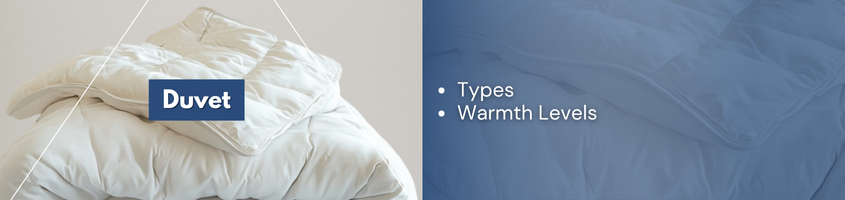
A Detailed Look Into Duvets and Duvet Covers for Hotels

The right hotel bedding can help you achieve high-quality sleep and relaxation for your guests. To complete this experience, check if your duvets and duvet covers provide the optimal levels of warmth and comfort. When used together, these two beddings promote temperature regulation no matter the weather. 

Many kinds of natural and synthetic materials are used to produce the perfect hotel-quality duvet cover. The best choice for your hotel will depend on your priority warmth levels, bed sizes, and qualities such as breathability and health benefits. Follow this detailed guide to know what you are looking for.

A Comprehensive Guide to Duvets and Hotel Duvet Covers 

Duvet

A duvet is a soft, wide bag made of duck or goose down (sometimes combined with feathers), wool, or synthetic fibers. It requires a removable hotel-quality duvet cover for maximum comfort and protection.

It is different from a comforter, which is a single layer of bedding stitched shut to make sure the filling is evenly distributed inside. Though the two are often confused, a duvet and a comforter both serve nearly the same purpose as protective bedding with an extra layer of warmth.

Types of Duvets

  1. Down and Feather

One of the natural fillings used in a duvet is duck or goose down and feathers. Down refers to the fine feathers located under the outer feathers of birds, particularly in the breast or belly. Duck and goose are preferred sources of this natural insulator.

Duck down is more affordable, but is also finer and smaller, which may make it less warm than goose down. The latter tends to be fluffier and more voluminous than duck. Its enhanced insulation abilities make goose down costlier due to its scarcity. To address ethical concerns, a number of down and feather producers commit to the Responsible Down Standard to promote humane sourcing of duck and goose down.

  1. Wool

Wool is a heavier, fuller natural fiber used as a duvet filling. While down and feathers are lauded for their insulation, wool is preferred for its adaptability. It does not ‘trap’ your body in a certain level of warmth, but rather creates the perfect temperature by adapting to your body temperature. This makes wool the perfect option for users experiencing fluctuating body temperatures or those prone to night sweats.

Wool is also a safe choice for people who suffer from allergies as it is naturally hypoallergenic.

  1. Synthetic

Synthetic fibers are non-natural, making them more budget-friendly than materials such as down and wool. Duvet fillings like hollow fiber and microfiber also provide warmth faster than natural fibers. It is also regarded as more hypoallergenic. Despite its value for money, synthetic fillings are more susceptible to wear and tear than natural fibers.

Duvet Warmth Levels

The warmth of a duvet is measured according to its tog rating. Tog or Thermal Overall Grade is a unit used to measure thermal insulation in textiles. This is more commonly used for down and feather fillings rather than wool and synthetic fillings.

The ideal tog rating can depend on the season, but an all-season warmth (4.5-9 tog) works just as well for room temperatures ranging from 15 to 19 degrees Celsius.

  • Summer: 2.5 – 4.5 tog
  • Spring: 7 – 10.5 tog
  • Winter: 9 – 13.5 tog
  • All-season: 4.5 – 9 tog

Duvet Covers

A duvet is typically paired with a duvet cover, which is designed to prevent the insert from stains and other kinds of contamination. It is an essential hotel bedding as it acts as both an extra protective layer for bed linens and also decorates the room, creating an aesthetically pleasing environment for every guest.

Types of Hotel Quality Duvet Covers

  1. Linen

Linen is one of the most breathable fibers suitable for year-round use. Hoteliers won’t have to worry about guests complaining about hotel beddings in the summer or colder weather. It is also naturally durable with remarkable antibacterial properties. This minimizes the risk of dust mites entering your filling.

  1. Cotton

As a natural fiber, cotton creates many unique textures for a hotel duvet cover. Its typically soft and crisp surface is perfect for creating a composed, clean look for luxury hotel beddings. Although low-maintenance, cotton has a long lifespan that can be extended with the proper care. 

  1. Silk

Silk covers are smooth and soft to the touch. Its shiny texture adds a sophisticated feel to your hotel beddings. Despite a slightly higher upfront cost, silk is one of the light and breathable fabric options for a hotel duvet cover.

  1. Synthetic

Polyester and other types of synthetic fabric are great choices for covers on a budget. It is made from man-made fibers and designed for easy cleaning and maintenance. Compared to natural fibers, however, it may face issues such as a lack of breathability, as it does not release air the same way linen or cotton does.

Approximate Sizes for Fillings and Duvet Covers

The standard hotel bed sizes in the Philippines are single, twin/double, full, queen, and king. Duvet sizes must be slightly bigger than the bed to allow sufficient coverage.

These are the duvet sizes that can fit some of the standard bed sizes.

  • Single – 59 x 79 in
  • Twin/Double – 68 x 86 in
  • Full – 80 x 86 in
  • Queen – 86 x 92 in
  • King – 92 x 108 in

Wash Tips for Hotel Duvet and Duvet Covers

  • Wash down duvets at temperatures not more than 40 degrees Celsius.
  • If you aim to kill dust mites and bacteria, set your wash to 60 degrees Celsius.
  • Tumble dry (low heat) and air dry methods are recommended for drying.

Why Does Your Hotel Room Need a Duvet?

Cleanliness and hygiene

Duvets not only provide warmth, but also protect other hotel bed linens from potential spills, damage, and germs. If you have multiple guests in the room, or those who frequently go in and out, it will be more hygienic to provide a protective cover over the inner linens.

Stylish decoration piece

Elegant and visually appealing hotel duvet covers can elevate the overall look and feel of a guest room. Whether your hotel is a boutique or luxury hotel, themed or minimalist, the right color, texture, style, and design of your duvet will leave a positive impression on your guests. 

Durability and resistance

Investing in a high-quality duvet and cover has cost-efficient benefits. Premium-quality duvet may have higher upfront costs, but it promises superb warmth and comfort. With regular, proper maintenance, your hotel duvet can resist wear and tear for a long time. This helps you avoid the high costs of frequent replacement.

Improved sleep quality

Comfortable hotel bedding plays a big factor in the sleep quality of your guests. Duvets and duvet covers provide an additional layer of warmth, which is essential, especially during cold weather. Light sleepers will also appreciate the extra weight that encases their bodies to lull them to sleep. Excellent duvets and covers make your hotel memorable and increase guest retention.

Investing in the right duvet and hotel-quality duvet covers can truly elevate your rooms’ comfort and quality, offering a more sophisticated sleep experience for your guests. With appropriate care and maintenance, this hotel bedding should remain functional and comfortable for a longer period.

ALSO READ: The Lifespan of Hotel Linens and Bed Sheets: From Purchase to Disposal


Source the right duvet and covers through Hotel and Spa Essentials, one of the leading suppliers of luxury hotel amenities in the Philippines. Choose from our array of sustainable necessities, such as towels, bed linens, dry and liquid amenities, to create an outstanding atmosphere for every guest room. Send us a message and partner with us.

Reasons to Add Eco-Friendly Textiles to Your Hotel Inventory

One of the many reasons hotels are shifting to sustainable choices is the increase in consumer preference for eco-friendly textile products. As a hotelier, it is important to adhere to new environmental conservation standards not only to meet customer satisfaction, but also to promote a greener brand image and proactively reduce carbon footprint. Textiles are essential to the hospitality industry, and fortunately, many types of sustainable textiles feature a sophisticated appearance, hygienic properties, and soothing textures.

The use of eco-friendly textiles brings a variety of benefits for hotel owners and guests. Discover the diverse types of sustainable textiles and how they can enhance the guest experience.

Types of Sustainable Textiles

  • Organic Cotton

Where conventional cotton is cultivated using large amounts of water and chemicals, organic cotton is used in many types of hotel amenities, such as beddings, mattress toppers, and pillows. Its absorbent properties and delightful texture make it ideal for bathrobes and bath towels.

  • Hemp

Hemp is a versatile material that only requires little water to reproduce. It also does not require any pesticides. Hemp is known for its antibacterial and hypoallergenic properties. Its unique slightly coarse but cotton-like texture makes it an attractive choice for beddings.

  • Bamboo

Virgin bamboo is fast-growing, which means it is easy to cultivate and access. Bamboo fibers are breathable and possess antibacterial properties that make them resistant to mildew. This makes it friendly for hotel guests with sensitive skin. Hotel bath towels and beddings are some of the fabrics that can be produced with bamboo fiber.

  • Flax

Linen is made from flax fibers, which are known for being twice as durable as cotton. Nearly the entire flax plant can be used to produce linen and other organic products, which effectively promotes waste reduction and maximizes the raw material. It is highly recyclable and biodegradable. It is also a very popular choice for breathable hotel linens, bed sheets, pillow casings, and bathroom towels.

  • Recycled polyester (rPET)

Some eco-friendly textiles give life to old resources, like recycled plastic and various other consumer waste. Plastic bottles and nylon are used to create synthetic fibers like polyester. Textile manufacturers recycle polyester material using 59% less energy than virgin polyester, cutting their carbon footprint in half. 

6 Benefits of Investing in High-Quality Sustainable Textiles for Your Hotel 

  1. Durable and long-lasting

Despite its higher purchasing costs, organically-sourced hotel textiles can save you so much more in the long run. Sustainable textiles are less prone to damage and wear, compared to synthetic fiber, which easily break down after much use in a shorter period. Eco-friendly fabrics require less energy and chemicals to produce, which increases value for your hotel towels and linen.

  1. High-grade and ethically sourced

Organic materials typically adhere to both global sustainability standards and fair labor practices. Hotels can promote fabric producers that uphold excellent working conditions in their farms and factories. This also supports a transparent corporate social responsibility for both hoteliers and textile manufacturers.

  1. Naturally appealing texture

Plant-based fibers such as bamboo, linen, and hemp often feature unique, naturally-occurring texture due to the lack of rigorous processing and treatment. This also reduces the need for meticulous conditioning or ironing. Not only is this part of its organic characteristics, but its textures can amplify its decorative appeal for hotel furnishings. It exudes both a cozy and sophisticated feel that will leave a good impression on your guests.

  1. Health and hygiene

Eco-friendly textiles possess natural antibacterial properties, which reduce odor and keep it fresh. Plant-based fibers are also hypoallergenic, minimizing irritations and allergic reactions in guests with sensitive skin. Linen is a top choice for hoteliers due to its breathability, especially in humid weather, because it keeps guests cool throughout the night.

  1. Reduced environmental impact

The use of sustainable textiles lowers the need to spread potentially harmful pollutants that come from the production, maintenance, and disposal of synthetic fibers. Water conservation is also a huge benefit for hoteliers. Proper care and maintenance give sustainable linens a longer life, which results in less water consumption and frequency of replacement.

  1. Positive brand image

Eco-friendly hotels are not just a trend, but a branding and lifestyle that caters to the demands of eco-conscious consumers. Try investing in locally-produced sustainable textiles to support the local community. Using green hotel amenities promotes a healthier environment and allows business owners to adhere to global sustainability standards. 

The different types of sustainable textiles introduce numerous benefits and health features that can better refine hotel linens, upholstery, and other fabrics. By choosing the right materials, you can elevate the comfort and elegance of your amenities while encouraging green practices.

ALSO READ: Initiatives for Sustainable Linen Management in Hotels

Still struggling to find a reliable supplier of hotel linens in the Philippines? Hotel and Spa Essentials is your go-to for eco-friendly textile products, luxury hotel amenities, and more. Send us a message to let us know how we can help you.

Types of Philippine Hotels that Cater to Different Guest Needs and Expectations

Hotels in the Philippines are diverse, each offering various amenities, facilities, and services. Each type of hotel – from tourist inns to luxury hotels –  embodies unique characteristics that attract different groups of guests. Putting up a hotel always begins with envisioning what kind of place and service you want to provide. From there, you can identify exactly what your hotel needs and generate innovative ideas to stand out from the rest.

Philippine hotels operate in varied locations under particular conditions. To know which one is the most ideal and profitable for you, here is a quick guide to the different kinds of hotel classification, types, and things they have to offer.

Hotel Classification in the Philippines

The star rating for Philippine hotels is regulated by the Department of Tourism (DOT) according to their National Accommodation Standards or NAS. Evaluators judge a hotel’s star rating by assigning points based on availability, quality, and condition of the hotel’s facilities and services. The criteria rates the following business areas:

  • Arrival & Departure 10%
  • Public Areas 10%
  • Bedrooms 30%
  • Bathrooms 15%
  • Food & Beverage 15%
  • Kitchen Area (apartment hotels only) N/A
  • Lounge Area (apartment hotels only) N/A
  • Amenities 10%
  • Business Practices 10%

The star rating is awarded based on the total score acquired by the hotel, and is valid for two years as per DOT regulations. This hotel classification determines the overall quality Philippine hotels have to offer. Guests use the hotel rating to set their expectations.

  • 1 STAR (20-40%) – Limited range of facilities and services
  • 2 STAR (40-55%) – Increased facilities and higher comfort
  • 3 STAR (55-70%) – Very satisfactory accommodation, public areas, facilities, and wider range of services
  • 4 STAR (70-85%) – Premium, very broad range of facilities, responsive service
  • 5 STAR (85-100%) – Luxurious and world-class, extremely detailed service, exceeds expectations

13 Hotel Types in the Philippines that You Should Know

  1. Economy Hotel / Budget Hotel

This kind of mid-range hotel is perfect for cost-effective traveling. Despite its simplicity, it offers functionality, comfortable lodging, convenient services, and basic amenities at a sensible price.

  1. Business Hotel

Individuals and groups who are traveling for work benefit the most from modern business hotels. These hotel types are usually located in areas with many offices, near airports and corporate or convention centers. They are equipped with amenities such as office lounge areas, workstations, printing and fax services, and fast WiFi connection.

  1. Boutique Hotel

Small, charming Philippine hotels offer an intimate experience, often featuring a cultural theme that immerses guests in the local scene. This type of hotel is located in ecotourism areas, the suburbs, or historical districts. 

  1. Luxury Hotel

Top-tier Philippine hotels are defined by their sophisticated facilities, and services. Luxury hotels provide high-end accommodation, recreational and wellness activities, and exceptional quality food selections. Each room is furnished with elegant amenities such as comfortable linens, fluffy towels, fragrant bath toiletries, and the like. It is ideal for guests seeking a personalized and glamorous stay.

  1. Resort

A resort is one of the hotel types that offer more than just lodging and basic inclusions. It is defined by its pleasant, family-friendly environment that makes guests comfortable and relaxed. Resorts typically provide food, spa or massage services,  recreational areas like pools, and a wide range of hotel amenities.

  1. Tourist Inn

Many Philippine hotels located along major highways and in the province cater to travelers who require lodging for a short stay. Tourist inns are also known as transient houses, which do not provide a large selection of amenities, but rather the basic necessities.

  1. Apartel (Apartment-Hotel)

These hotel types are ideal for travelers looking for long-term stays. It functions as a residential hotel, offering basic services found in hotels like housekeeping, food and beverage, and maintenance. Apartels can also  feature communal areas and other facilities meant for long-term guest convenience.

  1. Pension House

Boarding houses or pension houses typically host guests for a more affordable rate. These Philippine hotels operate like a dormitory, with communal facilities like bathrooms, dining areas, kitchens, and lounge areas. These are usually family-run or independently owned, taking in a mix of long and short-term guests. Non-professional domestic workers provide services and maintain the property.

  1. Motorist Hotel (Motel)

Motels are built to accommodate motorists and serve as an overnight rest stop along the highway. It is one of the hotel types that feature dedicated parking spaces for its guests. Travelers may avail of lodging, shower, toilet, and sometimes, meals.

  1. Hostel

Backpackers and adventurers tend to choose hostels, Philippine hotels that have communal facilities meant to foster meaningful socialization among guests. These are usually inexpensive and meant for short-term stays. Hostels can be themed, especially in beach or mountain destinations. 

  1. Vacation Rental

Vacation homes are privately owned accommodations that are rented out to families or large groups of travelers for holidays or long vacations. Unlike typical hotel types, these homes are fully equipped with more than one bedroom, a kitchen, dining room, living room, and other amenities found in a regular home. Vacation rentals can range from a whole house to a condominium or apartment unit.

  1. Airport Hotel

Travelers with long layovers can make use of airport hotels, which are conveniently located close to or within the airport. These hotel types usually offer pick-up and drop-off services free of charge. Airline staff, attendants, and pilots also check in at airport hotels, where they can stay until their next flight.

  1. Bed and Breakfast

These hotel types are private residential homes or rooms that are rented out for short-term stays. It is a type of vacation rental that offers unique experiences courtesy of the host. Bed and breakfasts incorporate local cuisine, cultural immersion activities, and high-quality Airbnb amenities for their guests.

In spite of their diversity, Philippine hotels remain homelike, and innovative in its solutions for guests. Whether a traveler wants to save on costs, splurge on themselves, or have fun bonding with loved ones, they are sure to find the ideal hotel that suits their needs and expectations.

ALSO READ: How to Attract 7 Different Types of Hotel Guests

Equip your property with sufficient luxury amenities such as beddings, bath products, and towels. Hotel and Spa Essentials is a reliable hotel amenities supplier, recognized by upscale Philippine hotels and cozy Airbnb sites. We carry sustainable, environmentally-friendly hotel supplies perfect for all hotel types.

Send us a message today so we can help you.

9 Essential Management Tips for Boutique Hotels in the Philippines

Managing a boutique hotel is unlike a large chain hotel. While they personalize services and offer unique amenities, chain hotels are far more standardized in every aspect of their operations. Although many guests seek this customized experience, this makes boutique hotel management slightly more challenging, especially for new hoteliers. 

Excellent management is the key to maintaining top-notch quality of service. To bring out this unique charm, a hotelier must be engaged and hands-on with their supervision. 

What are Boutique Hotels?

Boutique hotels are recognized for their small, intimate size. These are independently owned and operated, offering special quirks and features that large chain hotels lack. Boutique hotels uphold a certain look or theme, which is usually evident in their decor, design, and amenities. 

Rather than a generic experience, boutique hotels offer customized services. Owners typically make an effort to encourage guests to immerse themselves in local culture through various ways, such as activities, art, food, nearby destinations, services, and some products that can be found in the hotel. This commitment to a personalized service can get hectic, but the best way to realign your priorities is to exercise best management practices. 

9 Tips to Elevate Your Boutique Hotel Management Game

  1. Establish a brand identity

The unique selling point of a standout hotel is your brand. Determine the image you would like your boutique hotel to have – is it an artsy hotel? Will you be using eco-friendly products? Will there be cultural aspects to the design? Once you establish your brand identity, it will be easier for you to reach your target guests.

  1. Train staff efficiently

Boutique hotel management does not solely fall on the general manager, but on the staff they guide. Employ competent staff and familiarize them with your brand and goals. Hire knowledgeable crew members skilled in customer service. Your staff often interacts closely with your guests, which means it is essential to keep them well-informed about the hotel’s operations and mission.

  1. Automate and streamline your operations

Boutique hotel management can be difficult with limited manpower. To maximize your resources, you can employ automated technology for repetitive manual tasks, such as front desk or concierge services, inventory management, housekeeping schedules, and payment. Automation allows boutique hotel owners to shift their attention to more complex tasks.

  1. Keep up with the latest trends

Be updated about the newest trends online and in the hospitality industry. It helps you see what your guests want to see in boutique hotels and adds leverage above other competitors. For example, boutique hotels are emerging as a preferred accommodation choice in Philippine ecotourism. This means you can employ sustainable practices and promote local nature spots near your hotel to attract interested guests.

It is also one way to create an exclusive experience for your guests. Hoteliers can also create a buzz by being the first in the industry to offer a certain kind of service or feature.

  1. Provide luxury amenities

Source eco-friendly hotel amenities from a reputable and industry-recognized amenities supplier. Not only is this critical to boutique hotel management, but it also enhances overall guest satisfaction. Create an intimate and luxurious experience for your guests with comfortable linens, slippers, and toiletries. Take this opportunity to complement the room equipment with the theme of your hotel for an immersive atmosphere.

  1. Network within the industry

Connect with hospitality professionals and long-time boutique hotel operators to gain business insights and expert tips. These individuals can teach newbie hoteliers the knowledge they have acquired through experience. Networking is also essential to grow your hotels’ exposure among friendly competitors.

  1. Build a strong online presence

Develop your online reputation so that you can reach your ideal audience or guests. Regularly update your website and social media platforms with announcements, promos, and deals. Keep your booking methods user-friendly to avoid confusion and earn more reservations. Practicing good online communication is a good way for boutique hotels to obtain a decent following and attract future guests.

  1. Set up a friendly feedback system

Feedback is important because it lets you know how well you meet the guests’ expectations. Although this task may seem tedious to keep up, you can choose to automate feedback forms. It can be through a simple online survey or featured reviews. This is a good boutique hotel management practice as it lets you respond timely to guests’ concerns and requests, which can earn you higher ratings.

  1. Interact with your guests

Similar to a feedback form, interacting with guests in boutique hotels can help you go more in-depth with their opinions. When you have the chance to talk to your guests one on one during their check-out, for example, you can hear their preferences firsthand. Approaching guests for a short, friendly conversation is also a simple gesture to show how you prioritize them. 

Running boutique hotels can be simplified through different methods. Practicing responsible and efficient management is fundamental to the upkeep and consistent quality of services to grow your brand.

ALSO READ: Airbnb Success Strategies That Every Host Should Master

Top-Quality Amenities for Boutique Hotels in the Philippines

Hotel and Spa Essentials is the place to go for your much-needed luxury hotel supplies and amenities. Our products come from reputable brands that are used by world-class hotels in the Philippines. We are committed to distributing eco-friendly hotel amenities to emerging and long-time boutique hotels in the country. Contact us today to know more.